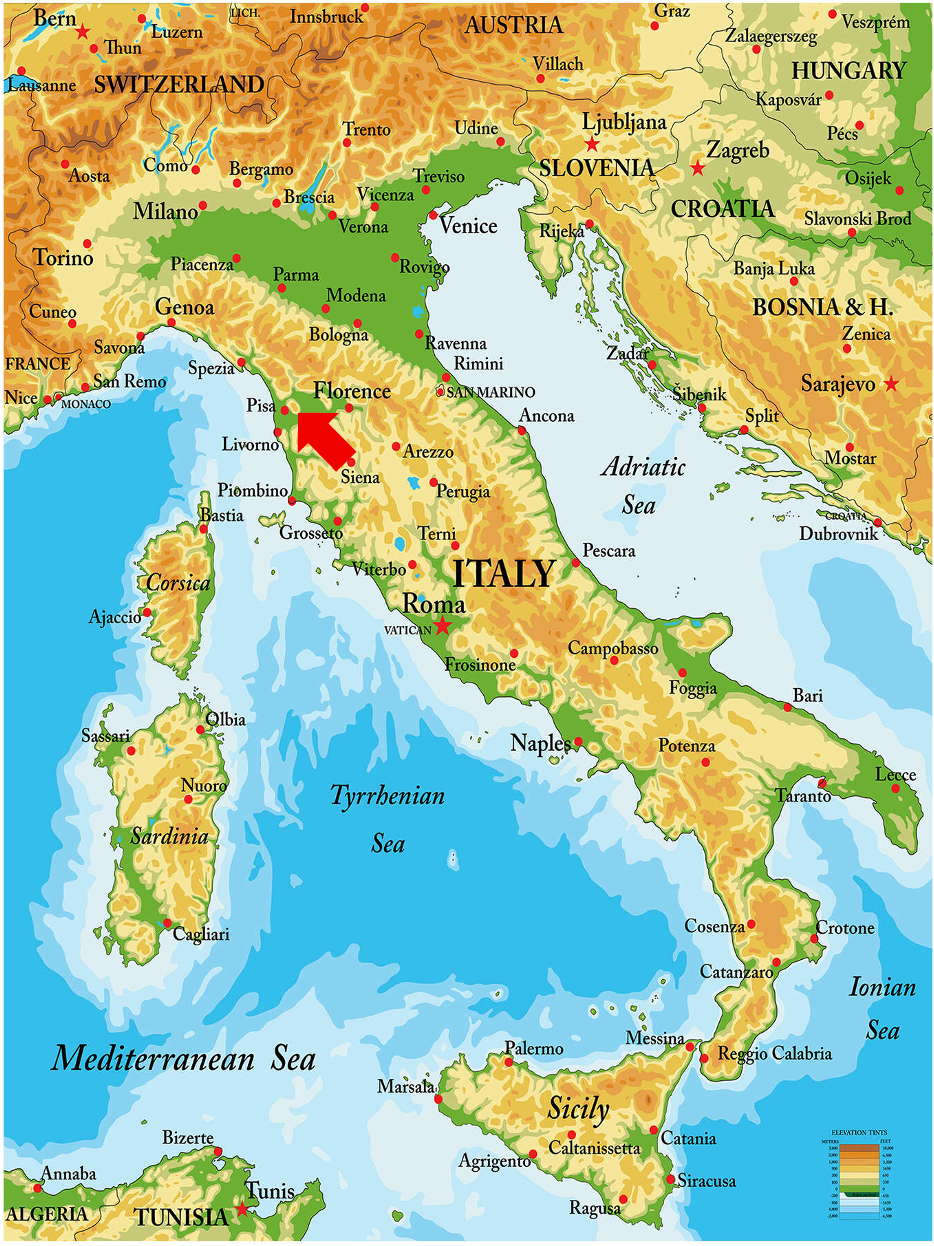
Eugenio Montale High School in Pontedera is a large public upper-secondary school known for strong academic standards, inclusivity and an international outlook.
The school serves over 1,300 learners and is supported by a broad professional community of around 200 staff.
It offers diversified study pathways, including Humanities and Economics, allowing students to follow different academic and career directions within a coherent, rigorous curriculum.
A distinctive feature of the school is its strong language profile and European orientation, including the opportunity for students to obtain a dual Italian–French diploma, strengthening multilingual competence and intercultural awareness.
The school promotes an inclusive ethos, welcoming learners from diverse backgrounds and abilities and providing support services to ensure every student can participate, progress and succeed.
Montale High School also invests in educational innovation and technology-enhanced learning, using digital tools to enrichclassroom practice and prepare students for 21st-century challenges.
Through collaboration with universities and participation in European networks, the school continuously updates its pedagogical practices and keeps learning pathways connected to societal and labour-market developments.
Within COMPASS-EU, Montale will strengthen career guidance for upper-secondary learners by combining the RIASEC model approach with real opportunity exploration via EURES, and by supporting the school-based Career Planning Centre (CPC) routines.
Its multilingual and inclusive profile will help test and disseminate the project’s digital guidance tools across diverse learner groups.
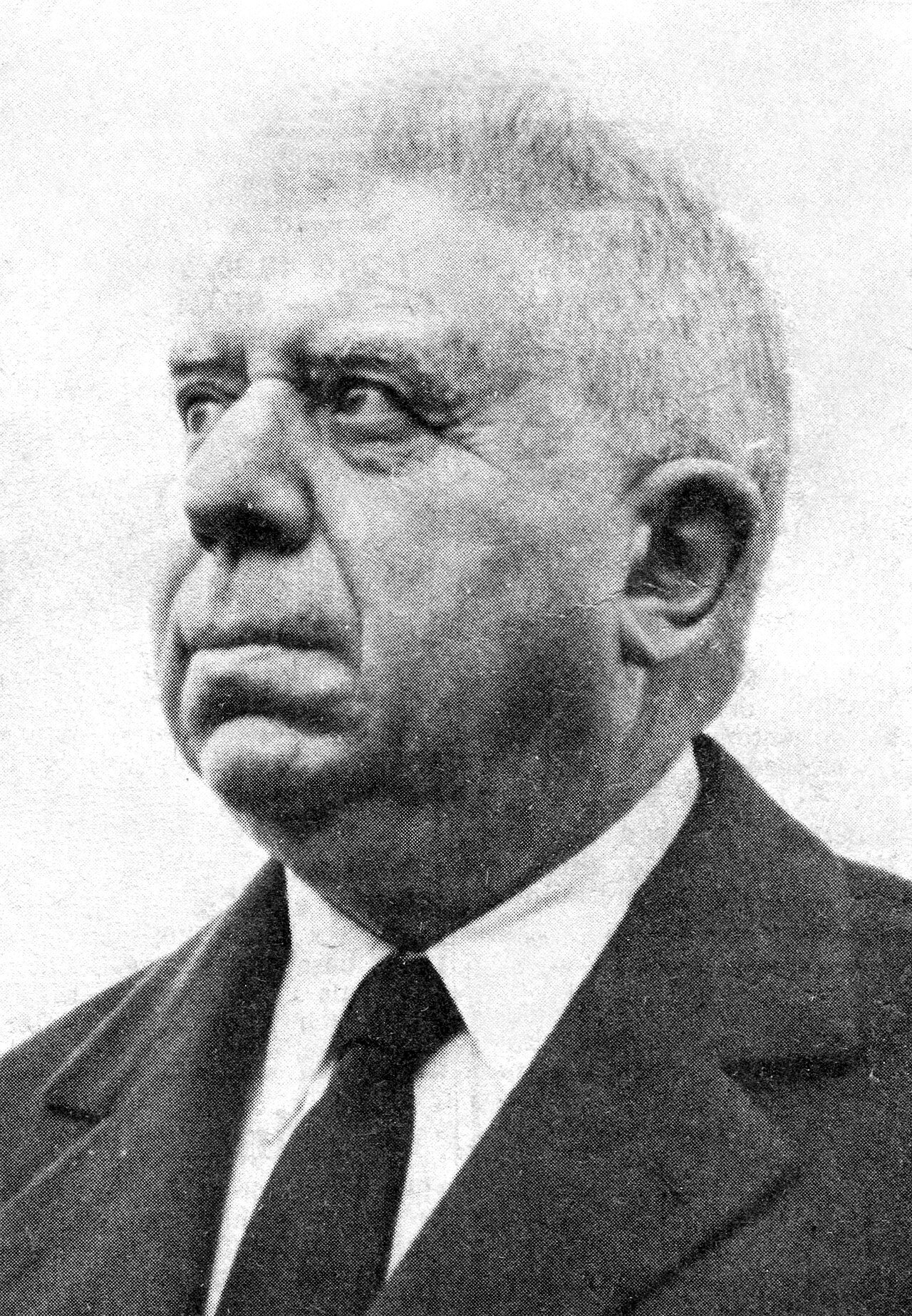
Who was Eugenio Montale ?
Eugenio Montale (1896–1981) was a major Italian poet, prose writer, and translator who won the Nobel Prize in Literature in 1975.
The Voice of Modern Despair: His work famously captures the « mal di vivere » (the pain of living), reflecting the disillusionment, isolation, and existential anxiety of the 20th century.
Literary Style: He is often associated with the Hermetic movement, using dry, concrete images from nature—such as the rugged Ligurian coast—as symbols for human emotions and struggles.
Masterpieces: His most celebrated poetry collections include Ossi di seppia (Cuttlefish Bones, 1925) and Le occasioni (The Occasions, 1939).
Click on the logo to visit the highschool website